Last Updated:
January 31, 2026
Trimming shrubs, hedges, and ornamental plants is essential for keeping a landscape healthy and visually appealing. One of the most common questions homeowners ask is whether hand trimming or power trimming is the better option. While hand trimming is great for pruning smaller bushes, power trimming is the only option for properly shaping larger shrubs and hedges.
Hand trimming and power trimming are designed for different levels of precision and efficiency. Hand tools, such as pruning shears and loppers, allow for careful, selective cuts that target individual branches. Power trimmers, on the other hand, are built for speed and uniform shaping, making them ideal for maintaining larger hedges and shrubs.
Problems arise when the wrong method is used for the wrong task. Power trimming delicate or flowering plants can remove buds and cause long-term stress, while relying solely on hand trimming for large hedges can be inefficient and inconsistent.
Common reasons both methods are needed include:
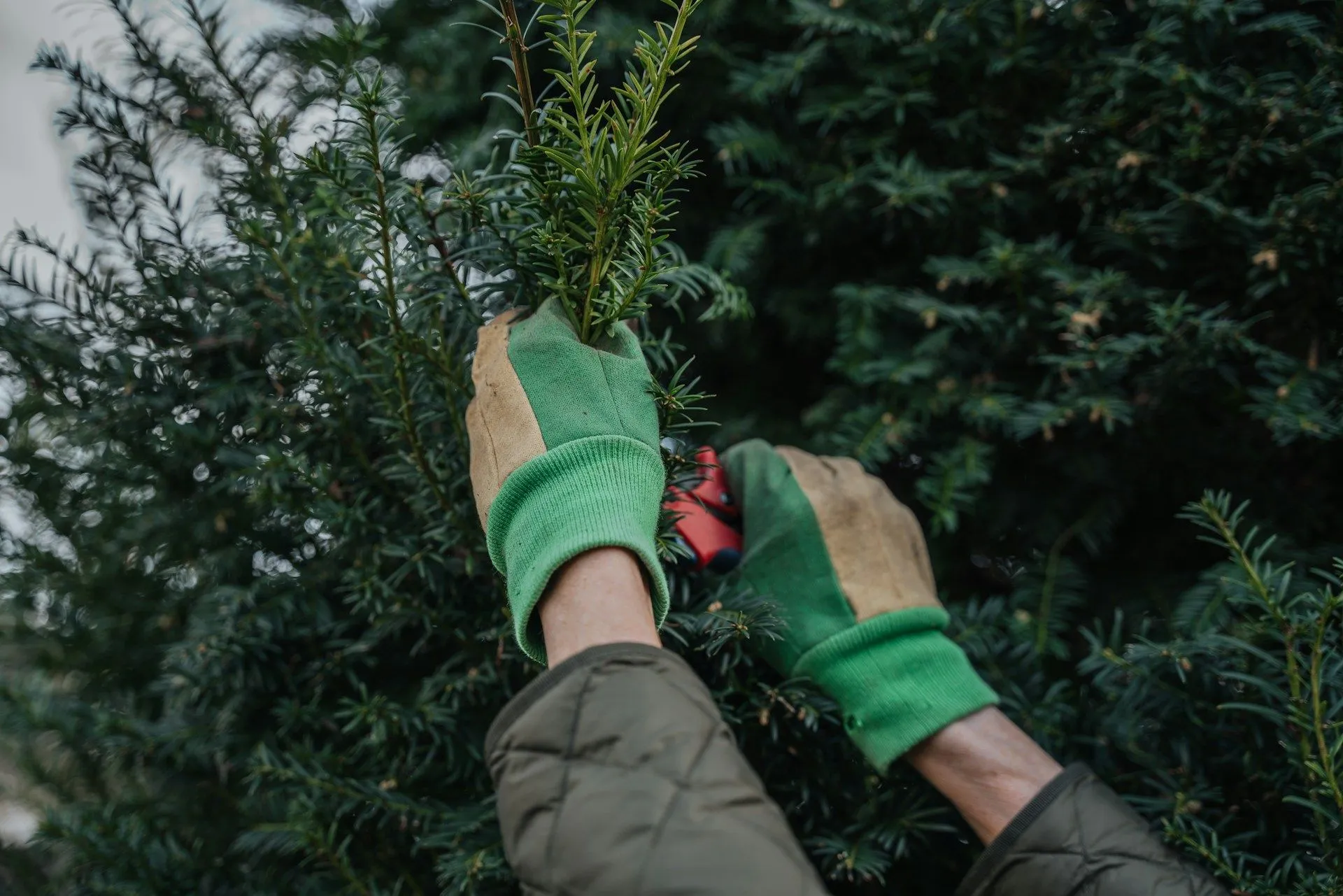
Hand trimming offers unmatched control over where and how each cut is made. This method allows you to remove damaged, crossing, or diseased branches while preserving the plant’s natural shape. Because cuts are intentional and targeted, hand trimming promotes healthier regrowth and reduces unnecessary stress.
This approach is especially important for ornamental shrubs, flowering plants, and younger growth that can be easily damaged by aggressive trimming.
Benefits of hand trimming include:
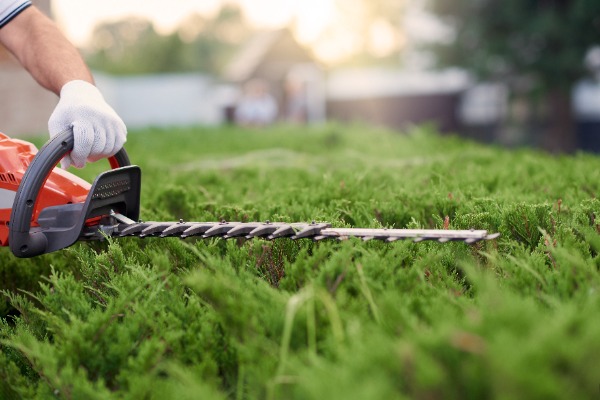
Power trimmers are designed to quickly maintain shape and size, particularly for hedges and shrubs that require a consistent, manicured appearance. When used correctly, power trimming keeps growth under control and maintains clean lines across large areas.
However, power trimming focuses on the outer surface of the plant and does not address internal structure. Over time, repeated power trimming without corrective pruning can lead to dense outer growth and weak interior branches.
How power trimming affects plant growth:
Not all plants respond the same way to trimming. Formal hedges often tolerate and even benefit from regular power trimming, while flowering shrubs and ornamental plants typically require hand trimming to protect blooms and growth patterns.
Using power trimmers on the wrong plants can reduce flowering, distort growth habits, or create long-term health issues that are difficult to correct later.
How plant type influences trimming choice:
When trimming occurs is just as important as how it’s done. Trimming at the wrong time of year can remove flower buds, stimulate unwanted growth, or leave plants vulnerable to stress. Hand trimming allows for more flexibility throughout the season, while power trimming is best reserved for specific maintenance windows.
Improper timing can make trimming look effective short-term while causing long-term setbacks for plant health.
Timing-related trimming considerations include:
Whether done by hand or with power tools, incorrect trimming techniques can permanently affect plant structure. Power trimmers can create flat surfaces that encourage excessive outer growth, while improper hand cuts can leave plants vulnerable to disease.
Repeated mistakes often lead to overgrown, misshapen, or unhealthy shrubs that require extensive corrective pruning.
Common trimming issues include:
The healthiest landscapes typically use a combination of hand trimming and power trimming. Power trimmers maintain overall size and shape, while hand trimming corrects structure, removes problem branches, and supports natural growth.
Relying on only one method often leads to declining plant health over time. A balanced approach ensures shrubs look neat while continuing to grow strong and full.
Knowing when to hand trim and when to use power equipment requires experience and plant knowledge. Professional landscapers understand growth habits, seasonal timing, and proper cutting techniques, ensuring each plant receives the care it needs.
If you’re unsure which method is best for your landscape, working with a professional trimming service can prevent costly mistakes and extend the life of your shrubs and hedges.
Q: Is hand trimming better than power trimming?
A: Neither is better in all situations. Each method serves a different purpose depending on plant type and goals.
Q: Can power trimming damage shrubs?
A: Yes, if used incorrectly or on plants that require selective pruning.
Q: Does hand trimming take longer?
A: Yes, but it provides greater precision and better long-term plant health.
Q: Can I use power trimmers on flowering shrubs?
A: It’s not recommended, as power trimming can remove flower buds and reduce blooms.
Q: How often should shrubs be power trimmed?
A: Only as needed to maintain size and shape, typically during active growth periods.
Q: Do professionals use both methods?
A: Yes. Professionals combine hand and power trimming to achieve healthy, well-maintained landscapes.

Lincoln's highest-rated lawn care company. Serving the Lincoln, NE area for over 10 years.
Your Lawn. Made Easy.