Last Updated:
January 3, 2026
Many homeowners enjoy the appearance of a colorful mulch in their landscapes, but concerns over safety are often expressed. Thankfully, we are here to let readers know that dyed mulch is generally safe for plants, pets, and soil when it’s made from untreated wood and colored with water-based dyes.
The concerns most homeowners have usually come from older practices, low-quality products, or confusion between dyed mulch and mulch made from questionable recycled materials. Keep reading to learn why modern dyed mulch is a safe choice for your yard!
Dyed mulch starts as shredded wood, typically from hardwood trees or clean lumber waste, and is then colored using iron oxide (for red), carbon (for black), or vegetable-based pigments (for brown). These same pigments are commonly used in products like cosmetics, inks, and even animal feed supplements, which is why reputable manufacturers emphasize dye safety so heavily. The wood itself behaves like any other organic mulch, insulating roots and reducing water loss while slowly breaking down.
For your furry friends, the dyes used in high-quality mulch are non-toxic and inert once dry. Dogs and cats may be curious about the smell at first, especially right after installation, but the pigments do not pose a poisoning risk when ingested in small amounts. Problems typically arise only when pets chew or ingest large pieces of wood, an issue that applies to any wood mulch, dyed or not. The dyes do not leach harmful chemicals into the ground when they are iron- or carbon-based.
Key takeaways about mulch materials:
One of the most common fears about dyed mulch is the idea that it contains toxic chemicals or treated wood. From a plant perspective, issues only arise if mulch is made from contaminated wood sources. Mulch that contains treated lumber can introduce salts or metals that stress plants, but this is a sourcing problem, not a dye problem. Certified mulch products clearly label their materials and avoid these risks.
When it comes to pets, people often worry about color transfer or ingestion. While freshly dyed mulch may temporarily stain paws or fur, this is cosmetic and harmless. Once the mulch has been watered or exposed to rain, the dye bonds to the wood fibers and becomes stable. The real pet risk is splinters or gastrointestinal irritation from chewing wood, which applies equally to natural bark mulch.
For soil health, the myth that dyed mulch “kills” soil life persists, but research and field use show the opposite. Soil microbes continue to thrive beneath dyed mulch as it breaks down, provided it is applied at an appropriate depth and not piled directly against plant stems.
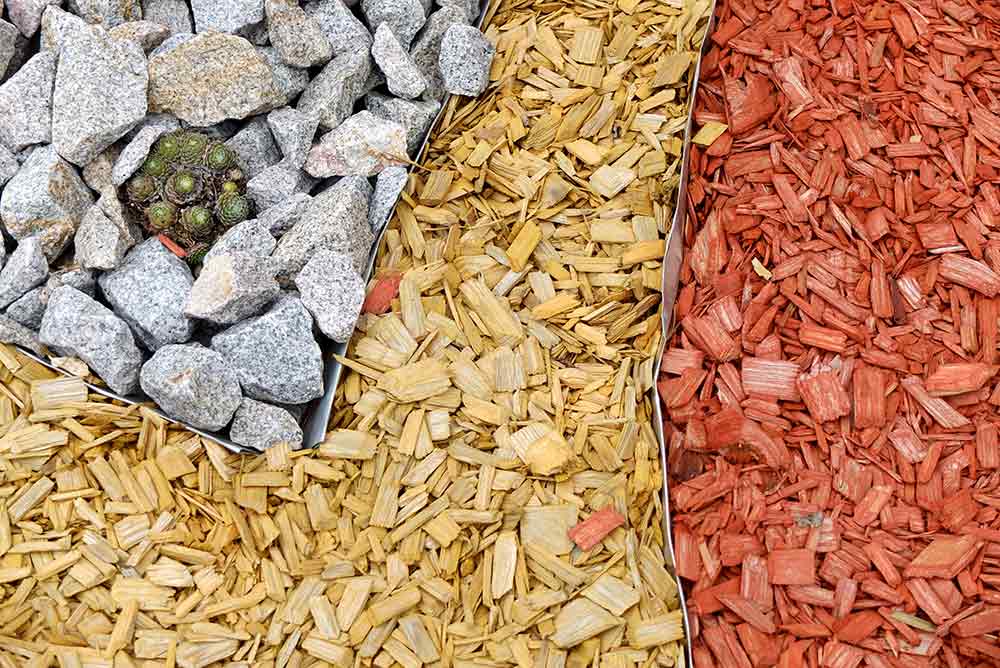
From a safety standpoint, dyed mulch and natural mulch are far more similar than different. Both provide weed suppression, moisture retention, and temperature regulation for plant roots. The difference is aesthetic consistency and longevity of color, not biological function.
Plants respond to dyed mulch the same way they respond to natural mulch. As long as airflow around the base of the plant is maintained and mulch depth stays around 2–3 inches, there is no increased risk of rot, disease, or nutrient lockup.
Neither option is “edible,” and supervision is still important if your dog is prone to chewing mulch. Dyed mulch does not introduce additional toxins compared to natural mulch, assuming both are sourced responsibly. Natural mulch may fade faster, while dyed mulch retains color longer, but both eventually contribute to improved soil structure, microbial activity, and moisture-holding capacity.
Mulch should never be piled into “volcanoes” around tree trunks or plant crowns. Excessive mulch can trap moisture, restrict oxygen, and lead to disease, issues unrelated to dye but often blamed on it. Freshly installed mulch may have a stronger smell that attracts curiosity. Watering it in after installation reduces odor and discourages chewing. Choosing finely shredded mulch rather than chunky pieces can also reduce choking or splinter risks.
For soil, over-mulching can slow oxygen exchange and delay decomposition. A moderate, even layer allows soil organisms to function properly and prevents compaction or anaerobic conditions beneath the surface.
Best practices for safe mulch application:
From an environmental standpoint, dyed mulch made from recycled clean wood can actually be a sustainable choice. It diverts wood waste from landfills and puts it to productive use in the landscape.
Plants benefit long-term as the mulch breaks down and improves soil structure, which enhances root growth and water infiltration. The dyes do not interfere with this process when they are mineral- or carbon-based. Pets are unaffected by the mulch’s environmental footprint, but cleaner sourcing reduces the chance of contaminants that could cause irritation or illness.
Soil health improves over time as organic matter increases, beneficial microbes multiply, and erosion is reduced. Dyed mulch behaves no differently than natural mulch in this regard, reinforcing that safety concerns should focus on sourcing and application, not color.
Q: Can dyed mulch harm vegetable gardens or edible plants?
A: When made from clean wood and non-toxic dyes, dyed mulch is safe around edible plants, though many gardeners still prefer undyed mulch for purely aesthetic or traditional reasons.
Q: Is dyed mulch safe if my dog chews on it?
A: The dyes themselves are non-toxic, but chewing wood can still cause digestive irritation or splinters, so supervision is recommended.
Q: Does dyed mulch contaminate soil over time?
A: No, high-quality dyed mulch does not leach harmful substances and breaks down like any other organic mulch.
Q: Why does dyed mulch sometimes smell strong at first?
A: Freshly dyed mulch can have a temporary odor from the coloring process, which fades quickly after watering or rainfall.
Q: Is black mulch more dangerous than red or brown mulch?
A: No color is inherently more dangerous; safety depends on the dye type and wood source, not the color itself.
Q: How can I tell if dyed mulch is safe to use?
A: Look for products labeled as non-toxic, made from untreated wood, and produced by reputable suppliers that disclose their materials.

Lincoln's highest-rated lawn care company. Serving the Lincoln, NE area for over 10 years.
Your Lawn. Made Easy.