Last Updated:
April 21, 2026
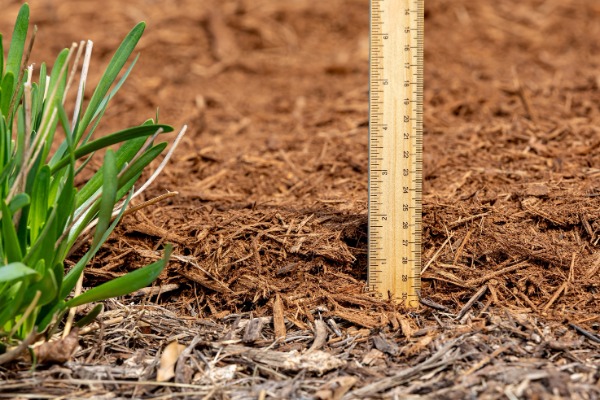
When applied correctly, it helps retain soil moisture, regulate temperature, suppress weeds, and give your beds a clean, finished look. However, when mulch is used improperly, it can create more problems than it solves.
From piling mulch too high to choosing the wrong material, small mistakes can end up damaging your soil and plants. This post will help you avoid those mistakes!
One of the most frequent mistakes is over-mulching. It’s easy to assume that more mulch equals better protection, but excessive layers can actually suffocate your soil. When mulch is piled too thick, it restricts airflow and traps too much moisture, creating an environment where roots struggle to breathe.
Thick mulch layers can also prevent water from reaching the soil evenly. Instead of soaking in, water may run off or get trapped in the upper layers, leaving the root zone either overly saturated or unexpectedly dry.
How to avoid over-mulching:
Piling mulch high against the base of trees, often called “mulch volcanoes," is a widespread but harmful practice. While it may look neat at first, it can cause serious damage to the tree over time. Excess mulch against the trunk traps moisture, which can lead to bark decay, fungal disease, and pest infestations.
Additionally, burying the root flare (the area where the trunk meets the roots) can restrict oxygen flow and encourage roots to grow improperly, sometimes even circling the trunk and weakening the tree’s structure.
How to properly mulch around trees:
Not all mulch is created equal, and choosing the wrong type can impact both the appearance and health of your landscape. Some materials break down too quickly, while others may not provide enough insulation or weed suppression. Inorganic mulches like rocks or rubber can retain excessive heat, which may stress plants in warmer climates.
Organic mulches, such as bark, wood chips, or shredded leaves, generally provide more benefits because they decompose and improve soil structure. However, even organic mulch must be matched to the needs of your plants and environment.
How to choose the right mulch:
Just like with trees, placing mulch directly against the base of plants can create problems. Constant moisture around stems encourages rot and disease, especially in smaller plants and flowers. This can weaken the plant’s structure and make it more vulnerable to pests.
How to space mulch properly:
Mulch is excellent for preventing weeds, but it’s not very effective at eliminating existing ones. Spreading mulch over active weeds may temporarily hide them, but they will often push through the new layer and continue growing. In some cases, you may even trap weed seeds underneath, allowing them to germinate later.
How to prevent weeds effectively:
Mulch naturally breaks down, especially organic materials. As it decomposes, it loses its ability to regulate moisture and suppress weeds effectively. Many homeowners either forget to refresh their mulch or add new layers without addressing the old, compacted material underneath.
How to maintain mulch properly:
Timing plays a bigger role in mulching than many people realize. Applying mulch too early in the spring can trap cold soil temperatures, slowing plant growth. On the other hand, waiting too long into the summer may leave plants exposed to heat stress and moisture loss.
How to time your mulching correctly:
Mulch can settle and become dense, especially in high-traffic areas or after heavy rainfall. Compacted mulch forms a barrier that prevents water and air from reaching the soil, defeating its purpose entirely. This can lead to dry soil beneath the surface and stressed plants above it.
How to prevent mulch compaction:
Mulching might seem like a straightforward task, but the details matter more than most people realize. From how much you apply to where and when you spread it, each decision plays a role in how well your landscape performs throughout the season. Avoiding these common mistakes not only protects your plants but also helps you get the full value out of your investment.
Q: Can too much mulch actually kill plants?
A: Yes, applying too much mulch can be harmful. Thick layers restrict airflow to the soil and trap excess moisture, which can lead to root rot and fungal issues. Stress can weaken plants or even cause them to die, especially in poorly drained areas.
Q: How do I fix mulch that’s already too deep?
A: The best approach is to remove the excess mulch and redistribute it evenly across the bed. Aim to bring the depth back down to about 2–3 inches.
Q: Is it okay to mix different types of mulch?
A: Mixing mulch types isn’t usually recommended. Different materials break down at different rates and can create an uneven look or inconsistent soil benefits. It’s typically better to stick with one type of mulch per bed for both appearance and performance.
Q: Why are weeds still growing through my mulch?
A: Mulch helps prevent weeds, but it won’t stop all of them, especially if they were already present before application. Weed seeds can also blow in and germinate on top of the mulch layer. Proper bed preparation and maintaining the correct mulch depth are key to better control.
Q: Should old mulch be removed before adding new mulch?
A: Not always, but it depends on the condition and depth. If the existing mulch layer is thin and still in good shape, you can simply top it off. However, if it’s compacted or too thick, it’s better to remove or loosen it before adding new material to avoid buildup issues.
Q: What happens if mulch is placed against tree trunks or plant stems?
A: Mulch placed directly against trunks or stems traps moisture and creates ideal conditions for rot, disease, and pests. This can damage bark and weaken the plant’s structure. Always leave a small gap between mulch and the base of plants.


Lincoln's highest-rated lawn care company. Serving the Lincoln, NE area for over 10 years.
Your Lawn. Made Easy.