Last Updated:
March 23, 2026
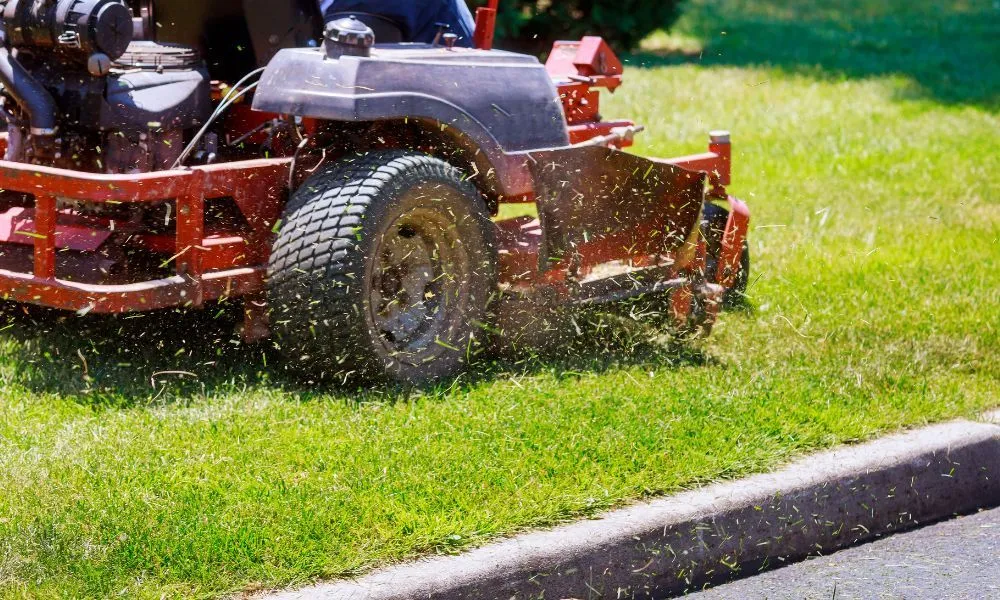
Lawn mowing seems simple on the surface, but the way you mow has a direct impact on how your lawn grows and handles stress throughout the season. When mowing is done incorrectly, it can slowly weaken your turf, making it more susceptible to thinning, discoloration, weeds, and disease.
Many lawn problems that homeowners blame on weather or soil conditions actually start with poor mowing habits. Let’s take a look at how improper mowing can damage your grass and what you can do to prevent it.
One of the fastest ways to stress a lawn is by mowing it shorter than it should be. While it might seem like cutting grass lower will keep it looking neat longer, it actually forces the plant into survival mode. Grass blades are responsible for producing energy through sunlight, and removing too much of that surface limits the plant’s ability to sustain itself.
Short grass also leads to shallow root systems, which makes your lawn far less resilient during heat, drought, or heavy use. Instead of growing thick and healthy, it becomes thin and patchy.
How to avoid mowing too low:
Finding the right mowing schedule is just as important as cutting height. Mowing too often can prevent grass from developing properly, while waiting too long between cuts can shock the lawn when large portions are removed all at once.
When grass is cut too infrequently, it grows unevenly and may begin to shade itself, reducing airflow and encouraging disease. Then, when it finally gets mowed, the drastic cut can leave it stressed and vulnerable.
How to maintain a proper mowing schedule:
The condition of your mower plays a bigger role than many people realize. A mower that isn’t properly maintained can cause unnecessary damage every time you use it. Dull or damaged blades tear grass instead of cutting it cleanly, leaving behind frayed edges that turn brown and lose moisture quickly.
Over time, this repeated damage weakens the lawn and creates entry points for disease. A poorly running mower can also lead to uneven cuts, which affect both appearance and overall turf health.
How to keep your mower in good shape:
Timing matters more than most people think. Mowing during extreme heat, drought, or immediately after heavy rain can put unnecessary strain on your lawn. Grass that is already stressed has a harder time recovering from cutting, which can slow growth and lead to discoloration.
Cutting in the heat of the day can also cause moisture loss, while mowing right after rain can lead to uneven cuts and soil compaction.
How to choose the right time to mow:
Every lawn is different, and mowing without paying attention to current conditions can lead to avoidable problems. Factors like soil moisture and seasonal changes all influence how your lawn should be cut.
For example, mowing a lawn that’s already struggling due to heat or lack of water can worsen the issue. Similarly, mowing too aggressively during early spring growth can disrupt healthy development.
How to adapt your mowing approach:
Mowing is only one part of a larger lawn care routine. Even if you mow correctly, poor watering, lack of nutrients, or compacted soil can still limit your lawn’s health. On the flip side, improper mowing combined with these issues can accelerate decline and make recovery more difficult.
A healthy lawn depends on a balanced approach where mowing supports, rather than undermines, other care practices.
How to support mowing with proper lawn care:
Improper mowing can absolutely damage your grass, but the good news is that it’s also one of the easiest problems to fix with the right approach. Small adjustments to your mowing habits can lead to noticeable improvements in lawn thickness, color, and resilience over time.
For homeowners who want consistent results without the guesswork, professional mowing services can help ensure your lawn is cut at the right height, on the right schedule, and with properly maintained equipment. A well-mowed lawn is a key part of keeping your turf healthy and strong throughout the season.
Q: Can mowing alone really cause lawn damage?
A: Yes, mowing plays a major role in lawn health. Poor mowing habits can weaken grass, reduce root growth, and make the lawn more vulnerable to weeds, pests, and disease over time.
Q: How short is too short when mowing grass?
A: It depends on the grass type, but cutting more than one-third of the blade at once is generally too much. Extremely short grass often leads to stress and thinning.
Q: Is it better to mow on a schedule or as needed?
A: It’s better to mow based on how fast your grass is growing. Growth rates change throughout the season, so a flexible schedule is more effective than a fixed one.
Q: Why does my lawn look brown after mowing?
A: Brown tips are often caused by dull mower blades tearing the grass instead of cutting it cleanly. This damage leads to moisture loss and discoloration.
Q: Can mowing in hot weather harm my lawn?
A: Yes, mowing during extreme heat can stress your grass and slow recovery. It’s best to mow during cooler parts of the day when possible.
Q: Will better mowing habits really improve my lawn?
A: Absolutely. Proper mowing encourages deeper roots, thicker growth, and a more resilient lawn, making it easier to maintain overall health and appearance.

Lincoln's highest-rated lawn care company. Serving the Lincoln, NE area for over 10 years.
Your Lawn. Made Easy.