Last Updated:
August 22, 2026
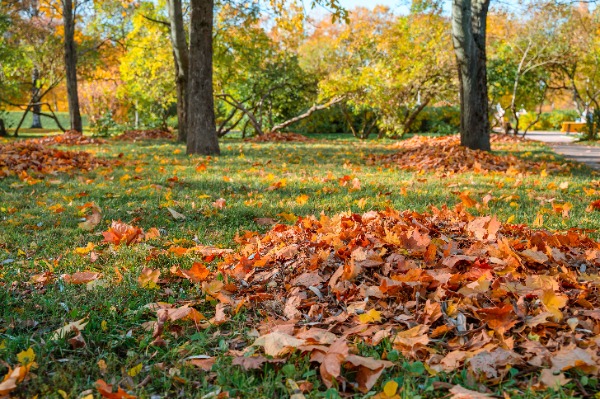
Fall leaves may look harmless scattered across the lawn, but allowing them to pile up can create several problems for your grass. A thick layer can block sunlight, trap moisture, restrict airflow, and leave turf vulnerable to damage throughout the winter.
Regular leaf removal is an important part of fall lawn care. Cleaning up leaves before they become heavily compacted helps protect your lawn now and gives it a better chance of recovering quickly in spring.
Cool-season grass can continue growing and storing energy during much of the fall. A heavy layer of leaves prevents sunlight from reaching the blades, weakening the turf underneath. This can eventually lead to:
Rain and morning dew can turn fallen leaves into a heavy, wet layer. When leaves remain on the grass, they can trap moisture against the turf and prevent the surface from drying properly. Removing leaves regularly allows better airflow and helps reduce prolonged moisture on the lawn.
A thick layer of wet leaves creates cool, damp conditions with limited air circulation. These conditions can increase the risk of certain lawn diseases. Keeping the turf clear allows more air and sunlight to reach the grass while reducing the amount of moisture trapped against the blades.
Grass covered by leaves for too long may emerge from winter weaker than the surrounding turf. Once the leaves are removed, you may find damaged, yellow, or bare sections underneath. Those areas may require additional spring lawn care, such as:
As leaves accumulate, they become compressed under their own weight, especially after rain. The resulting layer can physically press down on the grass and restrict access to light and air. Removing leaves before they become compacted is much easier than dealing with a thick, soggy layer later in the season.
A small amount of organic material is normal in a lawn, but excessive debris can contribute to surface buildup. As leaves break down and mix with dead grass and other organic matter, they can add to an existing thatch problem. Excessive thatch can interfere with the movement of water, air, and nutrients into the soil.
A thick layer of leaves can make it difficult to see what's happening underneath. Fall cleanup gives you a chance to identify problems before winter.
Finding common problems early gives you more opportunities to address them before spring. Look for:
Fall is an important season for lawn treatments and maintenance. Heavy leaf coverage can interfere with practices such as aeration, overseeding, fertilization, and certain weed control applications. Removing leaves first allows these services to reach the lawn more effectively and helps ensure more consistent results.
Leaving leaves on the lawn doesn't make the problem disappear. Instead, they can become wet, compacted, and difficult to remove after sitting through winter. A thorough fall cleanup can help you avoid:
You don't have to wait until every tree is completely bare before starting cleanup. Regular maintenance is usually easier than tackling several weeks of accumulated leaves at once. Don't allow a thick layer of leaves to remain on the grass for an extended period. Depending on the amount of foliage, you can:
Leaf removal is more than an appearance issue. Keeping your lawn clear throughout the fall protects grass from excessive moisture, poor airflow, and prolonged shade while making important fall lawn care practices easier to complete.
Taking care of leaves before winter gives your lawn a cleaner, healthier starting point for spring. If the volume of leaves on your property becomes difficult to manage, professional yard cleanup can handle the work before the buildup begins affecting your turf.
Q: How long can leaves stay on my lawn?
A: Scattered leaves aren't usually a major concern, but thick layers should be removed or mulched regularly rather than left on the grass for long periods.
Q: Can I mow leaves instead of raking them?
A: Yes. Smaller amounts of leaves can often be mulched with a mower. Heavy layers should generally be collected and removed.
Q: Can leaves actually kill grass?
A: Thick leaf coverage can severely weaken grass by blocking sunlight and restricting airflow. If left long enough, this can contribute to turf damage and bare areas.
Q: Should I remove all leaves before winter?
A: Excessive leaves should be removed before winter. A few small pieces of leaf debris are generally less concerning than a thick layer covering the lawn.
Q: Do leaves cause lawn disease?
A: Leaves don't directly cause every lawn disease, but wet, compacted leaf layers can create conditions that favor certain turf diseases.
Q: What's the easiest way to remove a large amount of leaves?
A: Raking and mowing can work for smaller amounts, while larger properties may benefit from a mower with collection capabilities or professional leaf and yard cleanup services.


Lincoln's highest-rated lawn care company. Serving the Lincoln, NE area for over 10 years.
Your Lawn. Made Easy.