Last Updated:
November 21, 2026
For years, traditional incandescent bulbs were the standard choice for decorating homes, trees, and yards for the holidays. Today, LED Christmas lights have become increasingly popular because they offer several advantages over older lighting technology.
Although both types can create a warm and inviting holiday display, LED Christmas lights are more energy-efficient, last longer, and generally require less maintenance than incandescent bulbs. Whether you're decorating a small tree or lighting up your entire home's exterior, choosing LEDs can make holiday decorating easier and more cost-effective.
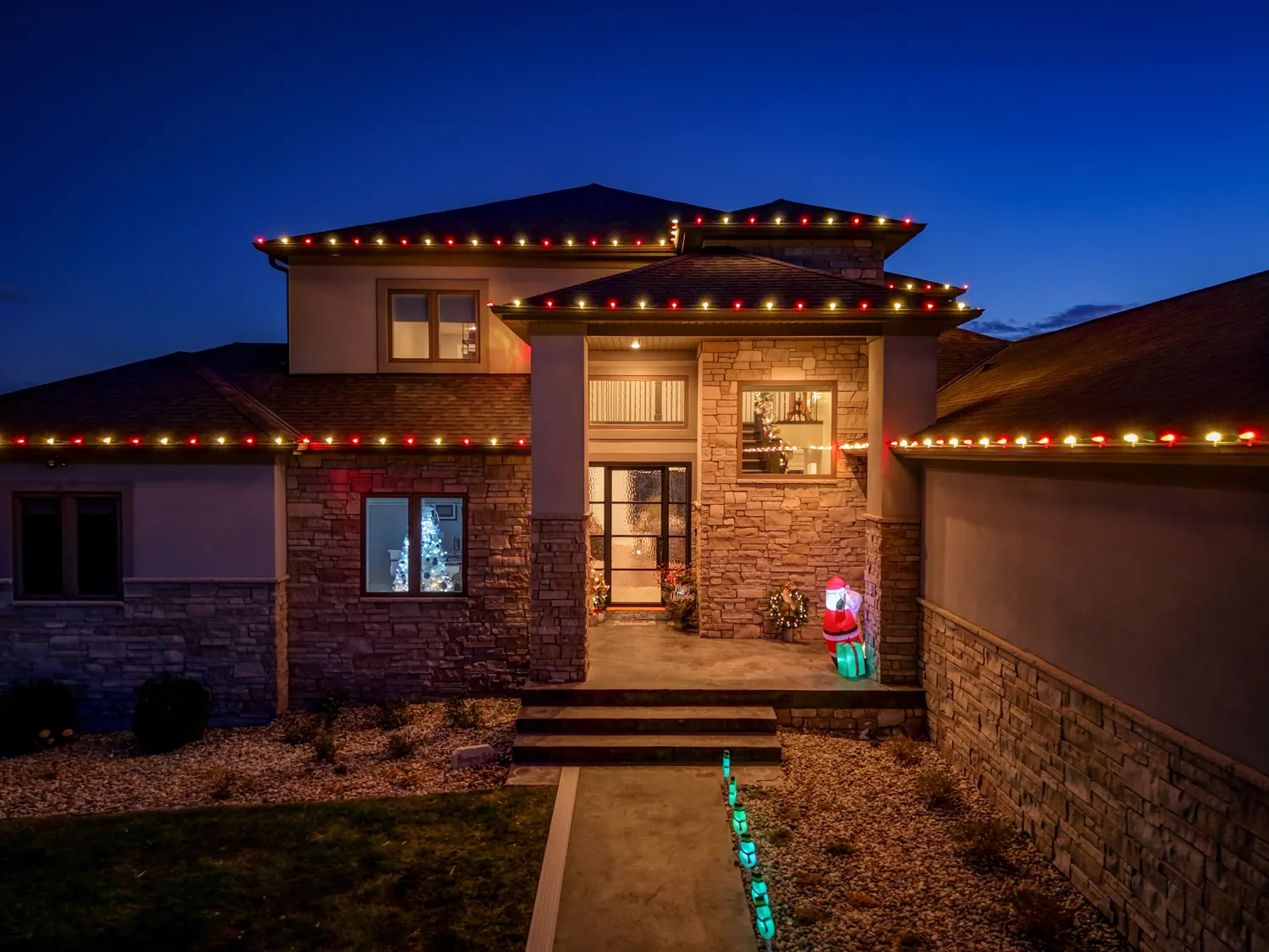
One of the biggest differences between LED and incandescent Christmas lights is how much electricity they consume. Traditional incandescent bulbs generate light by heating a small filament, which wastes a significant amount of energy as heat. LEDs use semiconductor technology to produce light much more efficiently.
This difference can have a noticeable impact on your electricity bill, especially if you operate multiple strands throughout the holiday season.
Some advantages of LED energy efficiency include:
Replacing burned-out bulbs and damaged strands can quickly become frustrating during the holidays. Incandescent Christmas lights typically have shorter operating lifespans because their filaments gradually wear out with use.
LEDs don't rely on heated filaments, allowing them to operate for significantly longer periods. Many LED products are rated for tens of thousands of hours of use, although actual lifespan depends on product quality, construction, and operating conditions.
Longer-lasting lights offer several practical benefits:
Outdoor Christmas lights must withstand more than regular use. Rain, wind, freezing temperatures, and repeated handling can all affect how well a lighting display performs.
LED Christmas lights are generally more durable than traditional incandescent options because they don't contain delicate glass filaments that can break. Many LED products also feature protective bulb housings and insulated wiring designed for outdoor conditions.
When selecting lights for exterior decorating, look for products specifically rated for outdoor use. Proper installation and storage are still important, since even durable LED strands can be damaged by moisture, excessive tension, or improper handling.
Energy savings and durability aren't the only reasons homeowners are making the switch. LED technology also provides plenty of flexibility when designing a holiday lighting display.
Modern LED Christmas lights are available in a wide range of colors, bulb shapes, sizes, and lighting effects. Homeowners can choose everything from classic warm white strands to multicolored displays with programmable patterns.
Popular LED lighting options include:
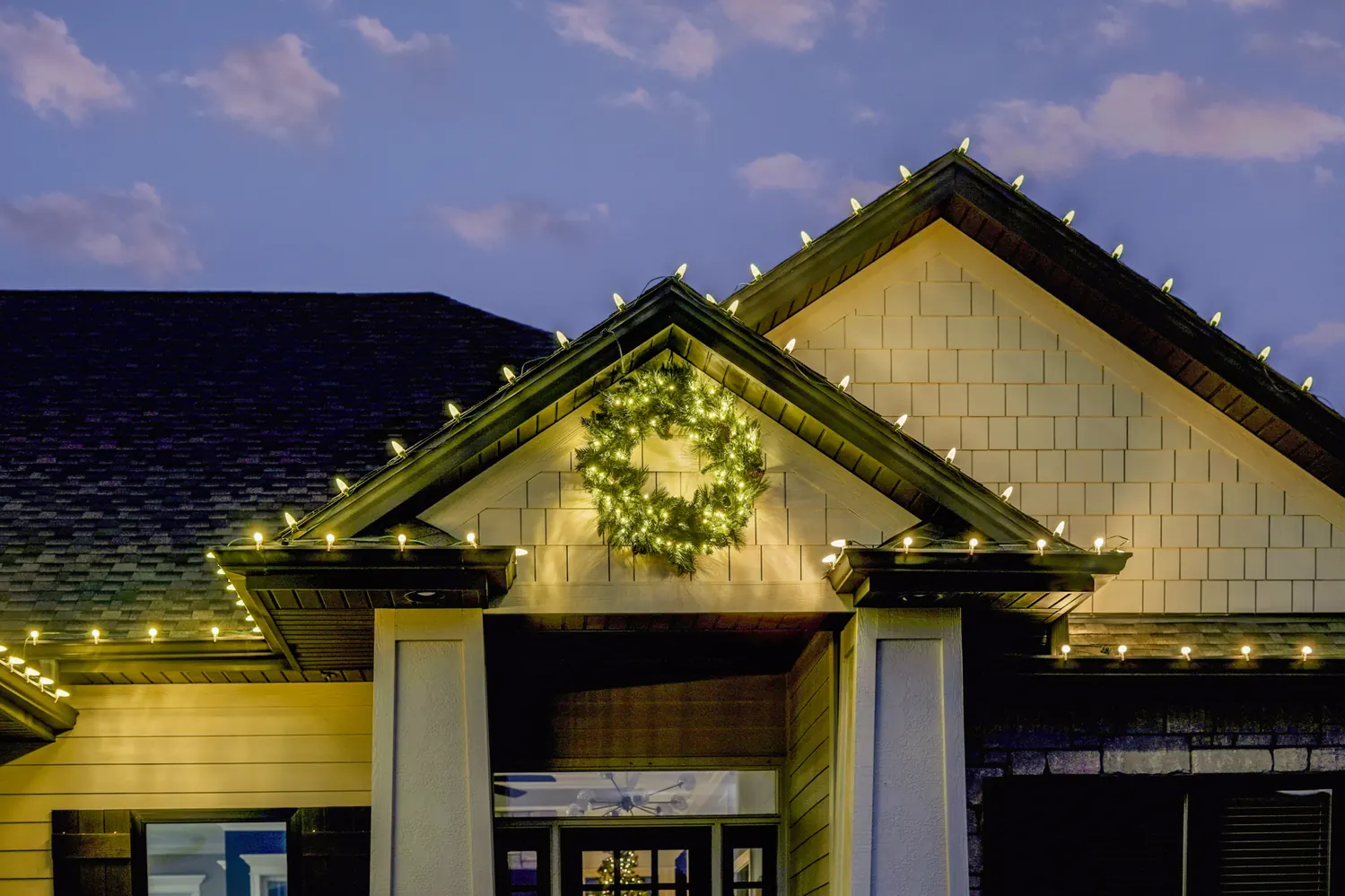
Safety is another important consideration when choosing holiday lighting. Because incandescent bulbs generate more heat, they can become hot during extended operation. LED bulbs produce much less heat, which reduces the risk of heat-related problems during normal use.
However, neither lighting option is completely risk-free. Damaged wiring, overloaded electrical connections, and improper installation can create hazards regardless of bulb type.
To keep your holiday lighting display safe:
Both lighting types can create an attractive holiday display, but LEDs offer several advantages that make them the preferred option for most modern decorating projects.
Incandescent lights may still appeal to homeowners who prefer their traditional glow or already own working strands. However, they consume more electricity, produce more heat, and generally need to be replaced more frequently.
LEDs provide a more efficient and durable alternative with plenty of options for creating traditional or modern holiday displays. Although the initial purchase price may be higher, reduced energy use and fewer replacements can make up for the difference over time.
Q: Do LED Christmas lights use less electricity than incandescent lights?
A: Yes. LED Christmas lights typically use significantly less electricity because they convert more energy into light rather than heat. This can help reduce electricity costs, particularly for large displays.
Q: Do LED Christmas lights last longer than incandescent lights?
A: Yes. LEDs generally have much longer rated lifespans because they don't rely on fragile filaments. Quality LED strands can provide many seasons of use when handled and stored properly.
Q: Are LED Christmas lights brighter than incandescent lights?
A: Not necessarily. Brightness depends on the bulb design, output, and color temperature. LEDs are available in a variety of brightness levels, so homeowners can choose options that match their decorating preferences.
Q: Can you connect more LED Christmas lights together?
A: LED strands often allow more connected sets than comparable incandescent strands because they draw less power. However, the maximum number depends on the product, so always follow the manufacturer's instructions.
Q: Are LED Christmas lights better for outdoor use?
A: Generally, yes. LEDs produce less heat and often feature durable construction, making them a popular outdoor lighting option. Always select products specifically rated for exterior use.
Q: Are LED Christmas lights worth the higher upfront cost?
A: For most homeowners, yes. Their lower energy consumption, longer lifespan, and reduced replacement needs can provide savings over time, making them a worthwhile investment for seasonal decorating.


Lincoln's highest-rated lawn care company. Serving the Lincoln, NE area for over 10 years.
Your Lawn. Made Easy.