Last Updated:
May 14, 2026
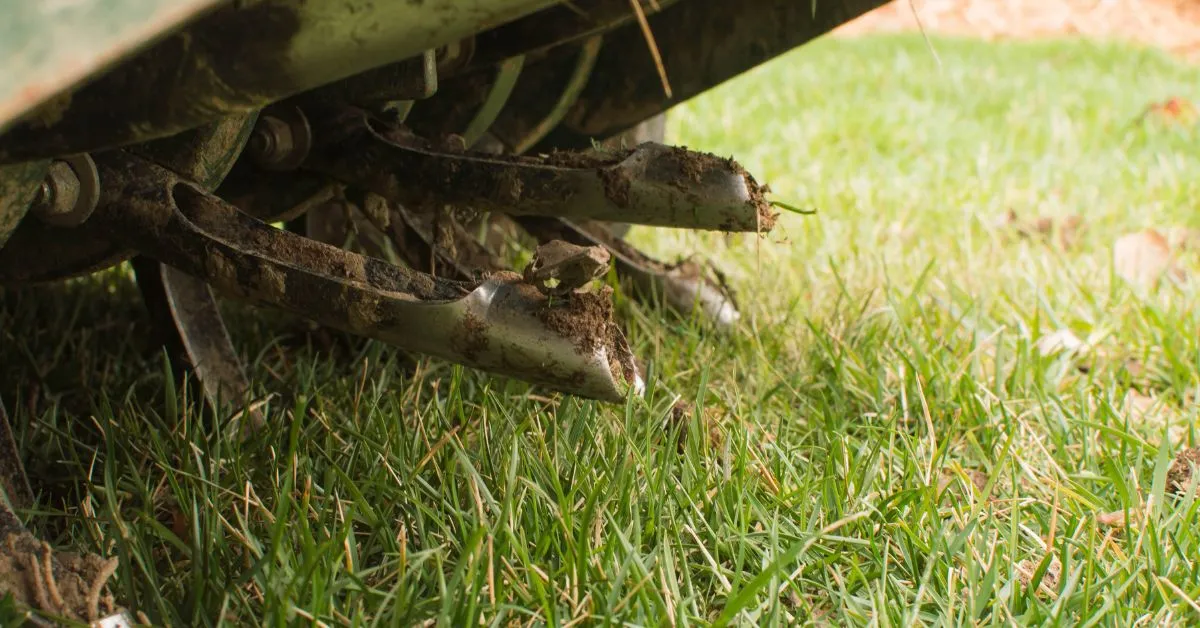
Spreading new seed across your lawn can certainly help improve appearance, but the real challenge often exists underneath the turf. Compacted soil, poor airflow, shallow roots, and built-up organic debris can all prevent grass seed from establishing properly. This is why aeration and overseeding are commonly paired together as part of a complete lawn improvement strategy.
While overseeding alone may produce limited improvement in some situations, pairing it with aeration creates conditions that are far more favorable for long-term lawn growth. Instead of simply scattering seed across the surface, you are preparing the lawn to actually support healthy germination.
One of the biggest problems with overseeding alone is poor seed-to-soil contact. Grass seed that sits on top of dense soil or thick thatch often dries out before it can germinate. Even if some seeds sprout, young roots may struggle to penetrate hard soil, resulting in patchy or weak growth.
Lawns naturally become compacted from foot traffic, mowing equipment, rainfall, and general use. Compacted soil reduces the amount of air space underground, making it harder for roots to expand and absorb moisture. This creates an environment where existing grass weakens and new seedlings fail to thrive. Without aeration, lawns may experience:
When aeration is performed before overseeding, the lawn becomes far more receptive to new growth. The small holes created throughout the yard act as protected spaces where grass seed can settle directly into the soil. These openings also hold moisture more effectively, which is extremely important during germination.
Aeration also improves the overall growing environment beneath the lawn. Instead of roots competing in dense, oxygen-starved soil, they gain access to better airflow and deeper moisture penetration. This allows new grass plants to mature faster and develop into stronger turf. Some of the biggest advantages of pairing aeration with overseeding include:
One overlooked benefit of combining aeration and overseeding is weed suppression. Thin lawns leave open space where weeds can easily establish themselves. If grass struggles to spread due to compacted soil, weeds often take advantage of those weak areas first.
A thicker lawn creates natural competition against invasive plants by limiting the sunlight, moisture, and nutrients available to weed seeds. Overseeding introduces additional turf density while aeration improves the soil conditions needed for that grass to spread successfully. Lawns that are regularly aerated and overseeded often experience:
Watering becomes far less effective when soil is compacted. Instead of soaking into the ground, water may pool on the surface or run off before roots can absorb it. This is especially problematic for new grass seed, which requires consistent moisture during the germination process.
Aeration creates channels that allow water to move deeper into the soil profile. These openings improve hydration for both mature turf and developing seedlings. Better moisture penetration also encourages deeper root growth, which helps lawns remain healthier during periods of heat or drought stress.
Lawns that are aerated before overseeding often experience more consistent seed establishment because the soil can hold moisture more evenly across the yard.
Another reason aeration and overseeding pair so well together is the opportunity to introduce newer grass varieties into an aging lawn. Older turf can gradually weaken due to stress, disease pressure, temperature swings, or repeated wear. Overseeding allows homeowners to blend in stronger grass types that may offer better resilience and appearance.
However, even high-quality grass seed may struggle if the soil underneath is compacted or unhealthy. Aeration helps ensure those improved seed varieties have the conditions they need to establish successfully. Depending on the grass variety selected, overseeding can help improve:
Overseeding by itself can provide temporary improvement in certain situations, but pairing it with aeration gives grass seed a much greater chance of success. Healthy lawns need proper airflow, moisture movement, and root development beneath the surface as well.
Aeration creates the foundation that allows overseeding to perform at its full potential. Instead of simply covering up thinning areas temporarily, aeration and overseeding work together to improve the overall health and structure of the lawn from the ground up.
Q: Is overseeding effective without aeration?
A: Overseeding can still produce some results without aeration, especially in lawns with loose soil and minimal compaction. However, germination rates and overall turf establishment are usually much better when aeration is performed first.
Q: Why does aeration help grass seed grow?
A: Aeration creates openings in the soil that improve seed-to-soil contact, water penetration, and airflow. These conditions help grass seed germinate more successfully and develop stronger roots.
Q: How often should lawns be aerated and overseeded?
A: Many lawns benefit from annual aeration and overseeding, particularly those with compacted soil, thinning grass, or heavy traffic.
Q: Will aeration and overseeding help with bare patches?
A: Yes. Aeration improves the soil conditions needed for seed establishment, while overseeding introduces new grass to fill in sparse or damaged areas.
Q: Can aeration reduce weeds?
A: Aeration itself does not kill weeds, but pairing it with overseeding helps create thicker turf that naturally crowds out many invasive weeds.
Q: How long does it take to see results after aeration and overseeding?
A: Some grass varieties begin germinating within a couple of weeks, though full thickening and establishment can take longer depending on weather, watering, and lawn conditions.


Lincoln's highest-rated lawn care company. Serving the Lincoln, NE area for over 10 years.
Your Lawn. Made Easy.