Last Updated:
September 18, 2026
Mowing the grass is a regular part of yard maintenance, but it still comes with real risks. Sharp blades, flying debris, hot engines, and uneven terrain can all lead to injuries when proper care is overlooked. A few simple habits can make a big difference in keeping yourself, your family, and your equipment safe.
This guide covers the precautions worth taking before, during, and after mowing, along with situations where leaving the job to a professional makes more sense.
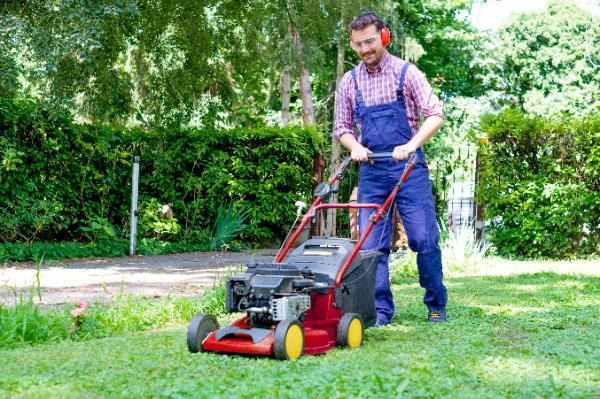
Shorts and flip-flops might seem like a convenient choice on a hot afternoon, but they offer little protection around lawn equipment. Your clothing should help shield you from flying objects, hot surfaces, and accidental contact with rough landscaping materials.
Comfort matters, too. Choose clothing that allows you to move easily without getting in the way of the controls. Before starting the mower, make sure you have:
One of the easiest ways to prevent a mowing accident is to look over the yard first. Small objects hidden in the grass can become dangerous projectiles when struck by a blade. A quick walk around the property can also reveal conditions that make mowing difficult.
Move anything that can be safely removed, and plan around obstacles that cannot. If the lawn has significant slopes or unstable ground, consider whether the mower you are using is appropriate for the terrain. Pay particular attention to:
A mower can throw debris well beyond the immediate cutting path. Children and pets may also move unexpectedly, making it difficult to react in time.
Do not assume that a child or pet standing nearby can move out of the way quickly enough. It is your responsibility to maintain a clear mowing zone. For safer mowing:
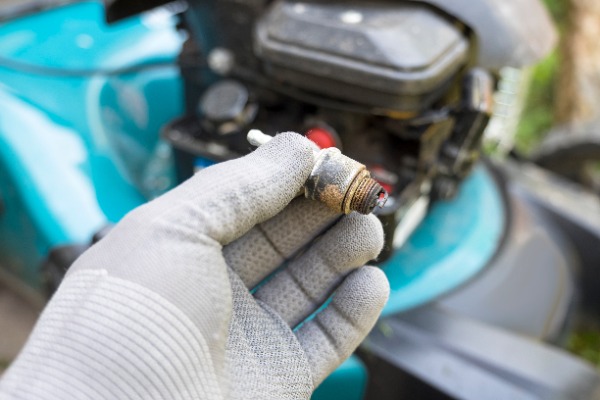
Your mower's power source creates its own set of hazards. Gasoline can ignite, batteries can be damaged, and electrical cords can become dangerous if they are cut or exposed. A few extra minutes spent checking the equipment can help prevent fires, electrical injuries, and costly damage.
Before refueling, turn off the engine and allow it to cool. Refuel outdoors, away from cigarettes, flames, and other ignition sources. Clean up spilled gasoline immediately and store fuel in an approved container.
Inspect cords, chargers, and batteries for damage before use. Never mow over an extension cord, and keep electrical connections away from wet conditions. Follow the manufacturer's charging and battery-handling instructions.
A clogged mower deck can be frustrating, especially when grass builds up during a long mowing session. However, trying to clear the blockage while the blade is moving is extremely dangerous.
Do not assume that a stopped engine means the blade is immediately safe. Take the necessary steps to prevent accidental startup and never place your hands near a blade that could still move. If the mower becomes clogged or needs an adjustment:
The lawn may need mowing, but that does not mean every day is a good day to do it. Wet grass can make the ground slippery, reduce traction, and interfere with mower performance. Heavy rain can also leave soft areas that are difficult to navigate.
Take breaks, drink water, and avoid rushing through the job in extreme heat. If you feel dizzy, exhausted, or unwell, shut the mower off and stop for the day. It is generally safer to mow when:
Not every lawn is suitable for DIY mowing. Some properties have steep hills, difficult access, large areas, or landscaping features that make the work more complicated.
There is no benefit to pushing through a dangerous situation just to finish the lawn. Stopping and getting help is often the safest choice. Professional lawn mowing services may be a better option when you are dealing with:
Q: What Should I Wear When Mowing the Lawn?
A: Wear closed-toe shoes with good traction, long pants, fitted clothing, and eye protection. Hearing protection is also recommended when using loud lawn equipment.
Q: Is It Safe to Mow Wet Grass?
A: It is best to wait until the grass and ground are dry enough to provide stable footing and reliable mower control. Wet conditions can increase the risk of slipping and may affect how the mower operates.
Q: Can I Mow With Headphones On?
A: It is safer to avoid headphones that block out surrounding sounds. You need to remain aware of people, pets, vehicles, and unusual equipment noises while mowing.
Q: How Far Away Should Children and Pets Stay?
A: Children and pets should remain indoors or well away from the mowing area. Keep them away from the mower and from areas where debris could be thrown.
Q: What Should I Do If Grass Gets Stuck Under the Mower?
A: Turn the mower off, disconnect the appropriate power source, and wait for all moving parts to stop. Follow the manufacturer's instructions for clearing the clog, and never reach under the deck while the blade may still move.
Q: When Should I Hire Professional Lawn Mowing Services?
A: Consider professional help for steep slopes, large properties, difficult terrain, equipment issues, or any situation where you cannot safely maintain control of the mower.


Lincoln's highest-rated lawn care company. Serving the Lincoln, NE area for over 10 years.
Your Lawn. Made Easy.