Last Updated:
July 11, 2026
The right mulch can help regulate soil temperatures, conserve moisture, reduce competition from weeds, and create a healthier environment for root growth. The wrong mulch, however, can lead to moisture issues, poor soil conditions, or even damage to tree trunks and shrubs' stems.
If you're planning a landscape upgrade, selecting the proper mulch is just as important as choosing the right plants. This post will help you understand the strengths and limitations of different mulch materials so you can make the best decision for your trees and shrubs.
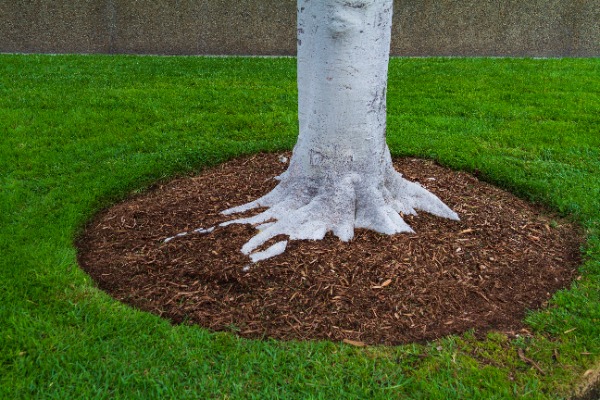
Trees and shrubs rely on a stable root environment to thrive. Bare soil is exposed to temperature extremes, rapid moisture loss, and erosion, all of which can place stress on landscape plants.
A quality mulch layer creates a protective barrier over the soil surface, helping roots remain cooler during summer and better insulated during winter. It also slows evaporation, allowing the soil to retain moisture longer between watering or rainfall events.
Some of the primary benefits of mulching around trees and shrubs include:
For most residential landscapes, organic mulch is the preferred option around trees and shrubs. These materials gradually break down over time, adding organic matter to the soil and improving its structure.
As organic mulch decomposes, it encourages beneficial microbial activity and can improve water infiltration around plant roots. This makes it particularly valuable for landscapes with compacted or poor-quality soils. Each material offers slightly different benefits depending on the landscape's appearance and maintenance needs.
Popular organic mulch options include:
Not every mulch works equally well around every planting bed. Some materials stay in place better on slopes, while others decompose more slowly or provide a different visual appearance.
Shredded hardwood mulch is one of the most commonly used landscape mulches. The interlocking fibers help it remain in place during heavy rain and windy conditions, making it a practical option for most landscape beds. It provides excellent moisture retention and gradually enriches the soil as it breaks down.
Wood chips are often recommended around larger trees and naturalized landscape areas. They decompose more slowly than many other organic mulches and provide long-lasting coverage. Because of their larger size, wood chips are especially useful in wide planting areas where frequent mulch replacement is not desirable.
Pine bark offers an attractive appearance and excellent drainage characteristics. It is lightweight, easy to spread, and works particularly well around ornamental shrubs and foundation plantings. Many homeowners prefer pine bark because of its rich natural color and decorative look.
Pine straw creates a natural appearance and is popular in areas with acid-loving plants. It allows water to move easily through the mulch layer while still helping conserve soil moisture. Its lightweight nature makes installation simple, although occasional replenishment may be needed after storms or strong winds.
While many mulch materials are beneficial, some options may be less suitable around landscape plants. Rock mulch, for example, does not improve soil quality and can absorb significant heat during summer. Excessive heat buildup around roots may create stress for certain shrubs and young trees.
Rubber mulch also does not contribute nutrients or organic matter to the soil. Although durable, it lacks many of the long-term soil health benefits associated with natural mulch products.
Potential drawbacks of inorganic mulches include:
Even the best mulch can cause problems if applied incorrectly. A common mistake is creating thick "mulch volcanoes" around tree trunks. Excess mulch piled against bark can trap moisture, encourage decay, and increase the risk of pest activity.
Instead, mulch should be spread evenly across the roots while leaving a small gap around trunks and stems.
General mulch guidelines include:
Mulch is not a permanent landscape feature. Organic materials naturally decompose and gradually become thinner over time. Periodic replenishment helps maintain consistent coverage and appearance.
Before adding fresh mulch, inspect the existing layer. If it has become compacted or excessively thick, some removal may be beneficial before applying additional material. A well-maintained mulch bed can continue supporting healthy trees and shrubs for years.
Routine maintenance can include:
Q: What is the best overall mulch for trees and shrubs?
A: Shredded hardwood mulch is often considered one of the best all-around choices because it conserves moisture, suppresses weeds, and improves soil as it decomposes.
Q: Is wood chip mulch good for trees?
A: Yes. Wood chips provide long-lasting coverage and are especially effective around mature trees and larger landscape areas.
Q: How much mulch should I put around a tree?
A: Most trees benefit from a mulch layer that is approximately 2 to 4 inches deep while keeping the material away from the trunk itself.
Q: Is rock mulch bad for trees and shrubs?
A: Rock mulch is not necessarily harmful, but it does not improve soil quality and can increase soil temperatures during hot weather.
Q: How often should mulch be replaced?
A: Organic mulch generally needs refreshing every one to three years, depending on decomposition rates and weather conditions.
Q: Can too much mulch harm plants?
A: Yes. Excessively deep mulch can restrict airflow, hold too much moisture, and potentially contribute to root or trunk problems.


Lincoln's highest-rated lawn care company. Serving the Lincoln, NE area for over 10 years.
Your Lawn. Made Easy.