Last Updated:
November 21, 2026
Overseeding can help Nebraska homeowners improve thin turf, fill bare patches, and maintain a healthier lawn. However, choosing the right grass seed is just as important as deciding when to plant it. Cool-season grasses are generally the best choice for Nebraska because they can tolerate the state's seasonal temperature swings and grow actively during spring and fall.
Kentucky bluegrass, tall fescue, perennial ryegrass, and fine fescues are among the most common options for overseeding, with each offering different advantages depending on your lawn's conditions.
Kentucky bluegrass is a popular choice for Nebraska lawns because it produces dense, attractive turf that can recover from moderate wear. Its ability to spread through underground stems called rhizomes also allows it to gradually fill in small bare areas.
This grass performs well in sunny locations and can create a thick lawn when given appropriate care. However, Kentucky bluegrass typically requires more water than some other cool-season varieties, making it important to consider irrigation needs before choosing it for overseeding.
Kentucky bluegrass may be a good option if you want to:
Tall fescue is another excellent grass seed option for Nebraska homeowners. Compared with Kentucky bluegrass, tall fescue generally has better heat and drought tolerance because of its deeper root system. This can make it particularly useful in areas that experience hot summers or inconsistent rainfall.
Tall fescue produces wider grass blades and a slightly coarser appearance than Kentucky bluegrass. Modern turf-type tall fescue varieties offer improved color, texture, and density, making them a popular choice for residential lawns.
Consider tall fescue if your property needs:

If you want to fill in thin areas relatively quickly, perennial ryegrass may be worth considering. It is known for its fast germination and establishment, often producing visible growth sooner than Kentucky bluegrass and many other cool-season varieties.
Perennial ryegrass has a fine-to-medium blade texture and creates a rich green appearance. It can be useful for repairing damaged sections of turf or adding grass to an existing lawn that needs more coverage.
However, perennial ryegrass does not spread as aggressively as Kentucky bluegrass and may struggle during prolonged summer heat or drought without adequate moisture.
Its faster establishment makes perennial ryegrass useful for:
Fine fescues are a group of cool-season grasses that can perform particularly well in areas where other lawn varieties struggle to receive enough sunlight. They generally have narrow blades and a softer texture than tall fescue, making them a useful option for shaded sections of Nebraska properties.
Common varieties include creeping red fescue, chewings fescue, hard fescue, and sheep fescue. Each has slightly different growth characteristics, but many fine fescues are valued for their shade tolerance and ability to grow with less fertilizer than some other turfgrass varieties.
Fine fescues may be appropriate for:
Not every Nebraska lawn needs the same type of grass seed. Before overseeding, consider the condition of your existing turf and the environmental factors that influence grass growth. A seed variety that performs well in a sunny, open yard may not be the best option for a shaded property with different moisture needs.
You should also consider whether you're overseeding an established lawn or trying to repair larger sections of damaged turf. Matching the new grass to the existing variety can help maintain a more consistent appearance.
When selecting grass seed, consider:
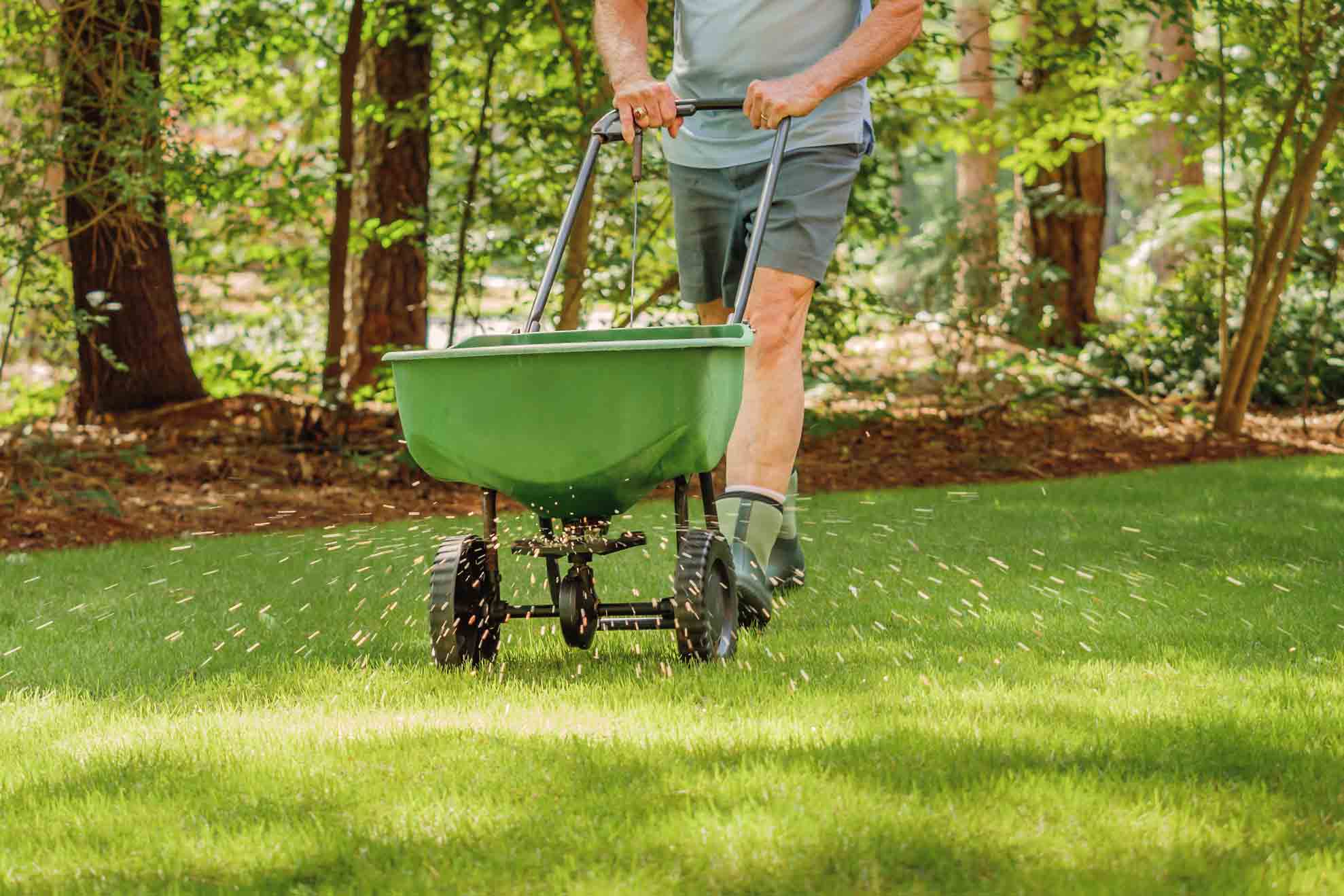
In some situations, using a grass seed blend can be more practical than relying on a single variety. Combining compatible cool-season grasses can help account for differences in sunlight, moisture, and soil conditions throughout your property.
For example, a blend containing Kentucky bluegrass and perennial ryegrass can combine the spreading growth of bluegrass with the faster germination of ryegrass. Tall fescue blends may also be useful for properties where heat and drought tolerance are important.
However, not every seed mixture is automatically a good choice. Check the label to see which varieties are included and whether they're appropriate for Nebraska's growing conditions. Avoid inexpensive mixes containing large amounts of annual ryegrass or other varieties that aren't intended for long-term residential turf.
Q: What is the best grass seed for Nebraska lawns?
A: Kentucky bluegrass, tall fescue, perennial ryegrass, and fine fescues are all suitable cool-season options for Nebraska. The best choice depends on sunlight, soil conditions, moisture availability, and the type of grass already growing in your lawn.
Q: Is Kentucky bluegrass or tall fescue better for Nebraska?
A: Both can perform well in Nebraska. Kentucky bluegrass produces dense turf and spreads to fill in thin areas, while tall fescue generally offers better heat and drought tolerance because of its deeper root system.
Q: What grass seed grows fastest in Nebraska?
A: Perennial ryegrass is one of the fastest-germinating cool-season grasses commonly used in Nebraska. It can establish more quickly than Kentucky bluegrass, making it useful for filling bare or damaged areas.
Q: What grass seed is best for shaded areas in Nebraska?
A: Fine fescues are often a good choice for shaded Nebraska lawns. Creeping red fescue, chewings fescue, hard fescue, and sheep fescue can all be useful depending on the amount of sunlight available.
Q: Should I use a grass seed blend when overseeding?
A: A quality grass seed blend can help address different growing conditions across your lawn. Combining compatible varieties may provide a balance of quick germination, density, shade tolerance, and drought resistance.
Q: When should I overseed my Nebraska lawn?
A: Late summer through early fall is generally the best time to overseed Nebraska lawns with cool-season grass. This gives new seedlings an opportunity to germinate and establish roots before winter arrives.

Lincoln's highest-rated lawn care company. Serving the Lincoln, NE area for over 10 years.
Your Lawn. Made Easy.