Last Updated:
July 11, 2026
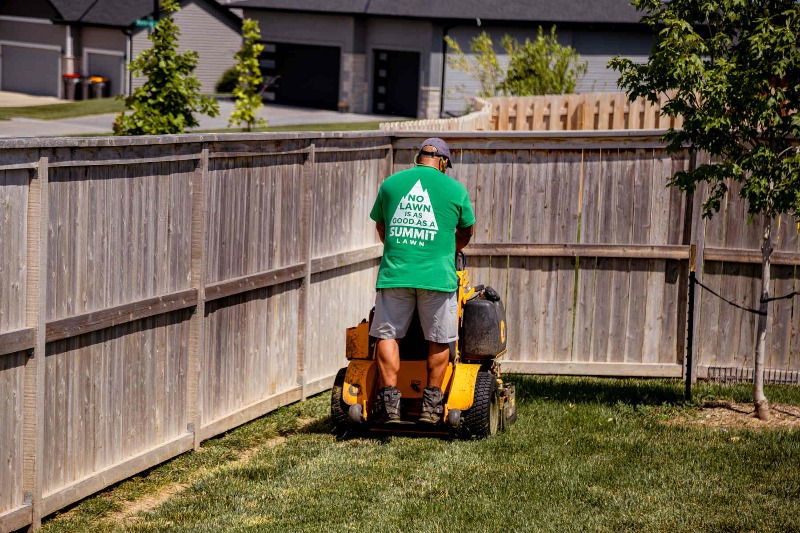
How often you mow your lawn has a major impact on the health and appearance of your grass. Grass that grows too tall between cuts becomes harder to manage, places extra stress on the lawn, and rarely delivers the neat, uniform appearance most homeowners want.
For most lawns, a weekly mowing schedule provides the best results, and bi-weekly mowing is only beneficial in a few situations. Keep reading to find out why weekly lawn mowing is the best way to keep your grass healthy.
Many homeowners choose a mowing schedule based on their calendar instead of the lawn's growth rate. Unfortunately, grass doesn't always cooperate. During the spring and early summer, many turf varieties can grow several inches in just one week. Waiting two weeks often means removing far more grass than recommended in a single mowing.
Removing too much leaf tissue at once weakens the grass because those blades are responsible for producing energy through photosynthesis. A lawn that is repeatedly cut too short after excessive growth has fewer resources to develop deep roots and recover from heat, drought, and heavy foot traffic.
Weekly mowing keeps growth under control and allows the lawn to stay healthier throughout the growing season.
Frequent mowing is less stressful for the grass because each cut removes only a small portion of the blade. Instead of shocking the lawn every couple of weeks, weekly service creates a steady maintenance routine that supports vigorous growth.
Consistent mowing also improves the overall look of the property. Grass stays evenly trimmed, mowing patterns remain clean, and the yard maintains a well-kept appearance from week to week instead of cycling between overgrown and freshly cut. Benefits of weekly lawn mowing include:
Bi-weekly mowing may sound like a reasonable compromise, but it often causes homeowners to break one of the most important mowing guidelines: never remove more than one-third of the grass blade during a single mowing.
When grass becomes excessively tall, cutting it back to the desired height can expose stems that normally stay shaded. This frequently leaves the lawn looking brown or scalped immediately after mowing. Taller grass also produces more clippings, increasing the likelihood of clumps that smother healthy turf and leave behind an uneven finish.
A two-week schedule can also make mowing more difficult. Longer grass requires more effort from the mower, dulls blades faster, and often takes longer to cut because additional passes may be needed to achieve an even result.
Although weekly mowing is ideal for most residential lawns, there are situations where mowing every other week may be appropriate.
Lawns that grow slowly during periods of drought, extreme summer heat, or winter dormancy often don't require weekly service. Some low-maintenance properties, second homes, or ornamental areas where appearance isn't a priority may also tolerate a less frequent schedule.
Even then, the lawn should still be monitored regularly. Weather patterns can quickly change growth rates, making a bi-weekly schedule insufficient once favorable growing conditions return. Bi-weekly mowing may be suitable when:
One of the biggest advantages of weekly mowing is that it naturally promotes thicker turf. As grass is trimmed consistently, many species respond by producing additional shoots, creating a fuller lawn that better resists weeds and bare spots.
Dense turf acts as its own defense system. When grass grows closely together, there is less room for weed seeds to receive sunlight and establish themselves. Over time, consistent mowing becomes an important part of an overall lawn care program that includes fertilization, irrigation, and seasonal maintenance. Weekly service helps build a healthier lawn from the ground up.
Hiring a professional lawn care company for weekly mowing eliminates the guesswork of deciding when the lawn needs attention. Rather than waiting until the grass becomes overgrown, technicians maintain a regular schedule that adapts to the growing season.
Professional crews also monitor mowing height, blade sharpness, and overall lawn condition during every visit. Small issues such as developing weeds, insect damage, irrigation problems, or disease symptoms are often noticed early, allowing homeowners to address concerns before they become major repairs.
Instead of viewing mowing as simply cutting grass, professionals treat it as an important part of maintaining long-term lawn health.
The healthiest lawns are built through consistency. Weekly mowing keeps grass at an ideal height, minimizes stress, and maintains an attractive appearance throughout the season. While bi-weekly mowing may seem like a way to save time or money, it often results in uneven growth, additional cleanup, and unnecessary strain on the turf.
For homeowners who want a lush, healthy lawn with dependable curb appeal, weekly mowing is usually the schedule that delivers the best long-term results.
Q: Is weekly mowing too often?
A: Not for most actively growing lawns. Weekly mowing typically removes only a small portion of the grass blade, making it healthier than allowing the lawn to become overgrown.
Q: Why does bi-weekly mowing sometimes leave my lawn looking brown?
A: Cutting off too much growth at once can expose lower portions of the grass that receive less sunlight, giving the lawn a brown or scalped appearance.
Q: Does weekly mowing help reduce weeds?
A: Yes. Regular mowing encourages thicker turf, which naturally crowds out many common lawn weeds.
Q: Are there times when every-other-week mowing is acceptable?
A: During drought, dormancy, or periods of very slow growth, a bi-weekly schedule may be sufficient until the lawn begins growing more actively again.
Q: Will mowing more frequently make grass grow faster?
A: No. Grass growth is influenced by weather, sunlight, water, and nutrients. Frequent mowing simply keeps that growth healthier and more manageable.
Q: Why do professional lawn care companies recommend weekly mowing?
A: Weekly service helps maintain proper mowing height, improves the lawn's appearance, reduces stress on the grass, and provides more consistent long-term lawn health.


Lincoln's highest-rated lawn care company. Serving the Lincoln, NE area for over 10 years.
Your Lawn. Made Easy.