Last Updated:
October 10, 2026
Keeping shrubs healthy takes more than occasional trimming during the growing season. In Nebraska, dormant-season pruning helps homeowners remove damaged branches, manage overgrowth, and prepare their landscapes for spring. With many deciduous shrubs losing their leaves during winter, it becomes easier to inspect their structure and identify areas that need attention.
Knowing when and how to prune can improve your shrubs' appearance while supporting healthy growth throughout the year.
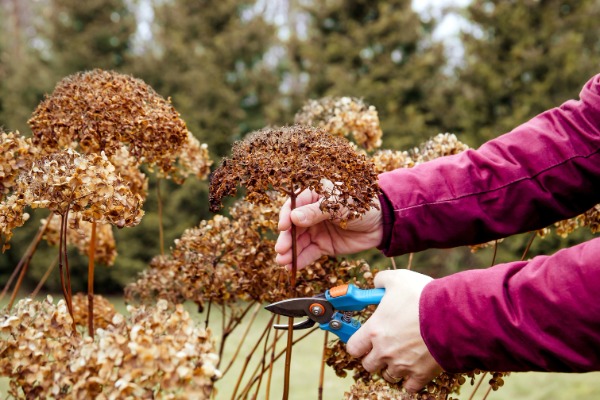
When deciduous shrubs lose their leaves, their branch structure becomes easier to see. You can identify broken limbs, crowded growth, and branches that rub against one another without dense foliage blocking your view.
Late winter is often a suitable time to prune shrubs that benefit from dormancy, provided extreme cold has passed and spring growth has not started. The best timing depends on the plant species. Common pruning techniques include:
Pruning creates wounds that plants must protect as they recover. Dormant conditions can reduce the activity of many insects and disease-causing organisms, making winter a useful pruning window for suitable shrubs.
Nebraska's fluctuating temperatures still require caution. Pruning during severe cold can expose vulnerable plant tissues to additional stress, so waiting for a milder period is often preferable. Removing diseased branches can also help address existing problems before spring growth begins.
Dormant pruning helps prepare shrubs for the growing season by removing damaged, weak, and overcrowded branches. Once temperatures rise, suitable shrubs can direct resources toward healthy buds and stems.
Selective pruning also creates more room for new foliage and improves airflow through the plant. This can help leaves dry faster after rain and reduce conditions favorable to certain fungal diseases.
However, cutting back too much can weaken a shrub or produce excessive new growth. Focus on removing problem branches and maintaining a balanced structure rather than trimming every shrub heavily.
Pruning can improve the structure and productivity of flowering and fruit-bearing shrubs when performed at the right time. Removing damaged or aging stems can encourage renewal in suitable species, while improved light exposure may benefit flowering and fruit development.
The timing matters because some shrubs produce flowers on old wood, while others bloom on new growth. Pruning at the wrong time can remove buds and reduce seasonal blooms.
Nebraska landscapes commonly feature shrubs such as:

Dormant pruning allows you to remove broken limbs and address branches that cross, rub, or grow inward. Maintaining a balanced structure can also help keep shrubs from interfering with buildings, driveways, and other landscape features.
Young shrubs benefit from selective pruning, too. Removing competing or damaged stems can guide their development and reduce the need for major corrective work later. Pruning cannot eliminate storm damage, but it can address structural problems before the next growing season.
Pruning at the wrong time can interfere with flowering, expose plants to unnecessary stress, or encourage growth that requires additional maintenance. Cutting too heavily can also leave shrubs misshapen or stimulate crowded shoots.
Late-winter pruning should be completed before active growth begins, but the exact window varies by species. Some shrubs are best pruned immediately after flowering, while others tolerate dormant pruning well.
Dormant pruning is not suitable for every shrub. Plants that flower on the previous year's growth may lose their upcoming blooms if trimmed during winter. Extreme cold can also make routine pruning less advisable.
Common Nebraska landscape shrubs that often need a different schedule include:
Preparing shrubs for spring takes more than cutting back branches. Understanding which stems to remove, how much growth to preserve, and when to prune each species helps protect your landscape's health and appearance.
Professional shrub pruning can save time while helping manage overgrown beds, remove damaged branches, and maintain a balanced landscape. Contact us today for a free estimate on shrub pruning and other landscape maintenance services.
Q: When Should I Trim Dormant Shrubs in Nebraska?
A: Late winter is often suitable for shrubs that tolerate dormant pruning. Choose a milder period before spring growth begins, avoiding severe cold whenever possible.
Q: Should I Prune Every Shrub During Winter?
A: No. Some shrubs, including lilacs and forsythia, bloom on old wood and are generally best pruned after flowering to preserve their buds.
Q: What Are the Main Benefits of Dormant Pruning?
A: Dormant pruning makes branch structure easier to inspect, removes damaged growth, improves shrub shape, and prepares suitable plants for spring.
Q: Can Dormant Pruning Help Prevent Disease?
A: Removing diseased branches and improving airflow can reduce certain disease risks, but proper tool sanitation and plant-specific care are still important.
Q: How Much Should I Cut Back My Shrubs?
A: Remove dead, damaged, crossing, or poorly positioned branches first. The appropriate amount depends on the shrub's species, age, and condition.
Q: Can I Prune Shrubs During Freezing Weather?
A: Avoid routine pruning during severe cold or before an extreme freeze. Waiting for milder conditions can help reduce stress to exposed plant tissues.


Lincoln's highest-rated lawn care company. Serving the Lincoln, NE area for over 10 years.
Your Lawn. Made Easy.