Last Updated:
July 11, 2026
Keeping a lawn free of weeds isn't simply a matter of spraying whatever product is available. Different weeds require different treatment methods depending on where they are in their life cycle. That's why lawn care professionals rely on both pre-emergent and post-emergent weed control to maintain healthier, more attractive turf throughout the growing season.
These two treatments serve completely different purposes. One helps prevent weeds from ever becoming visible, while the other targets weeds that have already appeared. Understanding when each treatment should be used can help homeowners make better decisions about their lawn care program and achieve longer-lasting results.
The biggest difference comes down to timing. Pre-emergent products are designed to stop weed seeds from developing into mature plants. They create a protective barrier near the soil surface that interrupts seed germination before weeds break through the ground.
Post-emergent products work after weeds have already emerged. Instead of preventing growth, they attack existing weeds by damaging the leaves, stems, or root systems until the unwanted plants decline.
Since the two products work during different stages of weed development, they are often used together as part of a comprehensive weed management strategy.
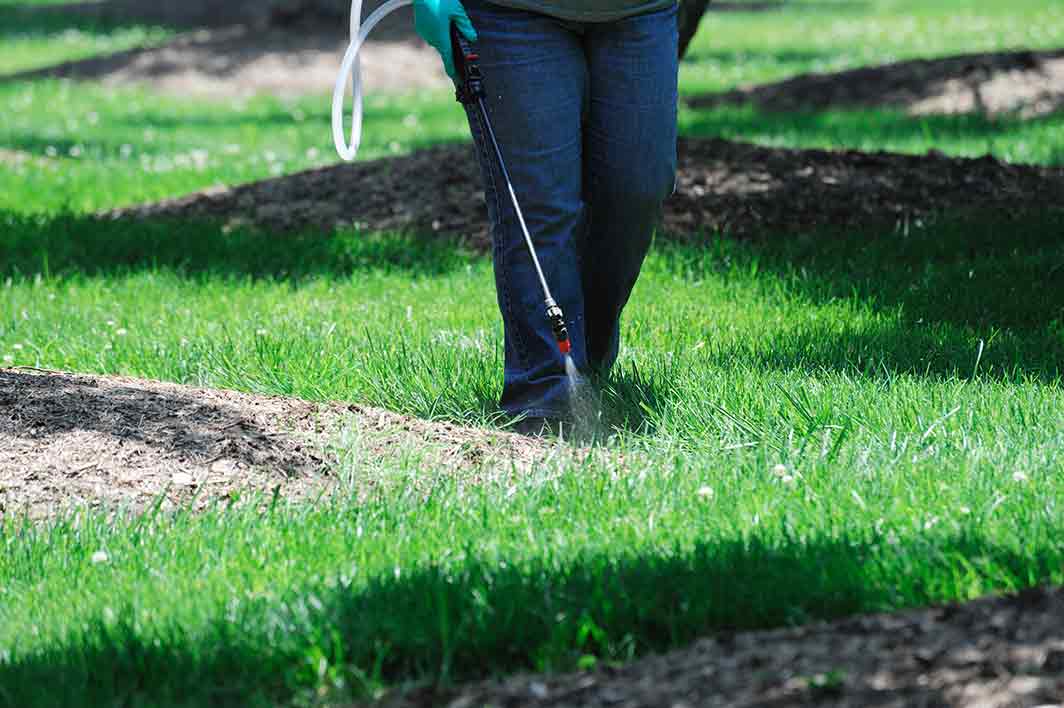
Many common lawn weeds begin growing weeks before homeowners ever notice them. By the time green shoots appear, the plants have already established roots beneath the soil.
Pre-emergent herbicides are applied before this process begins. Once watered into the soil, they form a treatment zone that prevents newly germinating weed seedlings from developing properly.
Because these products only affect germinating seeds, they cannot eliminate weeds that are already growing. Pre-emergent applications are commonly used to reduce weeds such as:
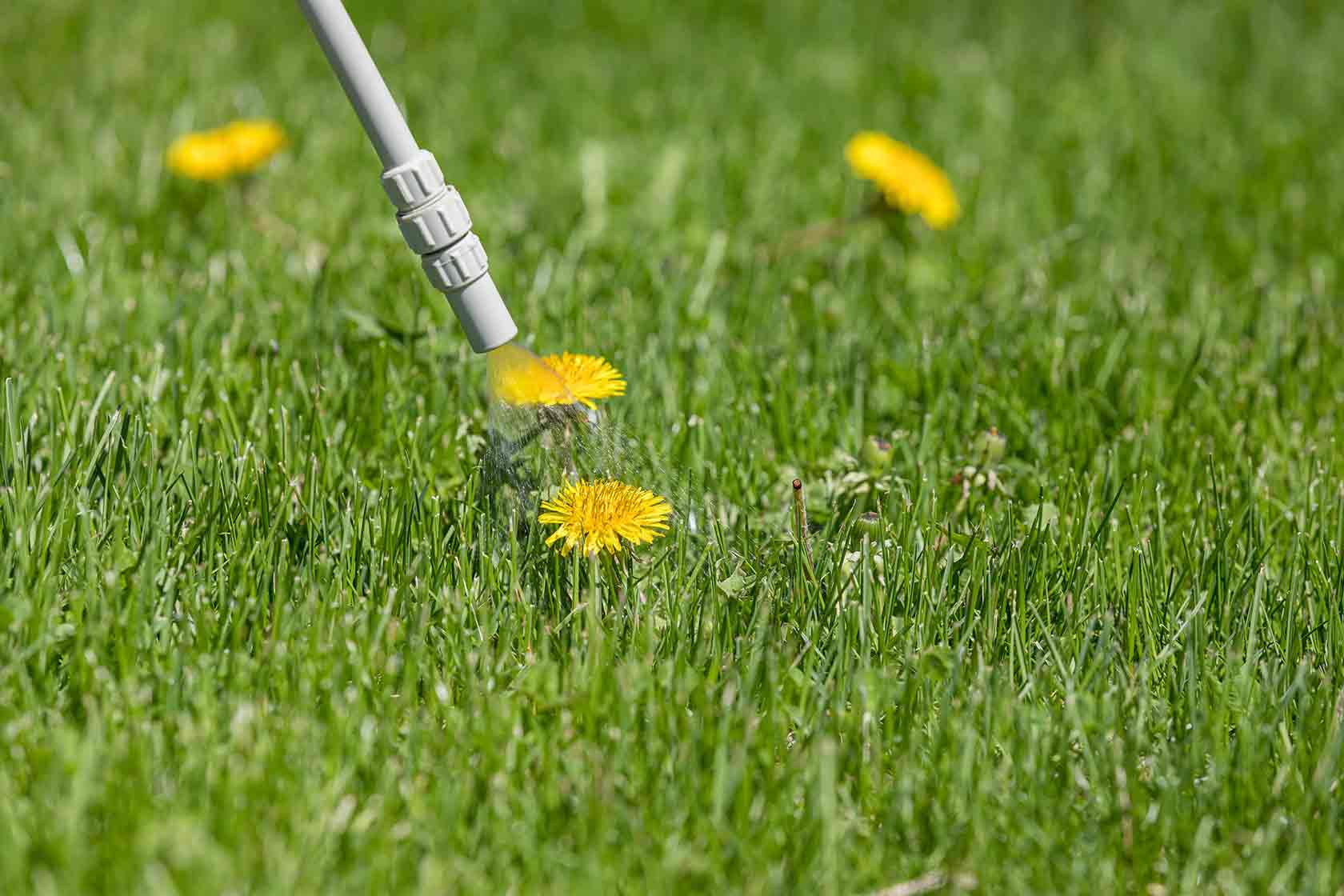
When weeds have already become visible, post-emergent treatments provide the next line of defense. These products are absorbed by actively growing weeds and interfere with critical plant functions, eventually causing them to die.
Some post-emergent herbicides target only certain weed species, while others provide broad-spectrum control. Professional lawn care providers select products based on the weeds present and the type of grass being treated. Post-emergent treatments are commonly used against broadleaf weeds like:
The success of any weed control program depends largely on applying the right product at the appropriate time. Pre-emergent treatments must be applied before weed seeds begin germinating. Waiting until weeds are visible usually means the opportunity for prevention has already passed.
Post-emergent applications, on the other hand, work best when weeds are healthy and actively growing. Treating weeds too early, too late, or during periods of environmental stress may reduce control. A seasonal approach allows both treatment types to complement one another throughout the year.
Absolutely. In fact, many professional lawn care programs rely on both pre-emergent and post-emergent applications to provide season-long weed control. Even with an effective pre-emergent application, a few weeds may still appear due to weather conditions, disturbed soil, or seeds introduced by wind, birds, or foot traffic.
Spot-treating these weeds with post-emergent herbicides helps keep populations from spreading. Using both treatment methods creates a stronger defense than relying on either product alone.
Weed control often becomes less effective because of application mistakes rather than poor products. Avoiding mistakes can significantly improve long-term results. Some of the most common errors include:
Every treatment works on its own timeline. Pre-emergent products typically produce no visible results because they stop weeds before they appear. Their success is measured by the weeds you never have to deal with.
Post-emergent herbicides often begin affecting weeds within several days, although complete control may take one to three weeks depending on the weed species, product used, and weather conditions. Some stubborn or mature weeds may require follow-up treatments for complete control.
Herbicides perform best when combined with healthy lawn care practices. Thick, vigorous turf naturally competes with weeds by limiting the sunlight, water, and space available for weed seeds to establish. Homeowners can improve weed control by:
Successful weed control requires more than simply applying herbicides. Lawn care professionals understand seasonal weed cycles, local growing conditions, and the products best suited for different weed species.
Professional programs combine preventive pre-emergent applications with targeted post-emergent treatments when necessary, creating a balanced approach that reduces weed pressure throughout the year. Regular monitoring and properly timed applications help maintain thicker, healthier turf while minimizing recurring weed problems.
Q: Can pre-emergent herbicides kill existing weeds?
A: No. Pre-emergent products prevent germinating weed seeds from developing but do not affect weeds that are already growing.
Q: When should pre-emergent be applied?
A: It should be applied before targeted weed seeds begin germinating, which varies depending on the weed species and local climate.
Q: How soon does post-emergent weed control work?
A: Many weeds begin showing signs of injury within several days, although complete control often takes one to three weeks.
Q: Do I need both pre-emergent and post-emergent treatments?
A: In most cases, yes. Using both provides more complete, season-long weed management than relying on only one treatment.
Q: Will one application keep weeds away all year?
A: Usually not. Weed pressure changes throughout the seasons, and multiple applications are often needed for consistent control.
Q: Why do weeds still appear after a pre-emergent treatment?
A: No pre-emergent prevents every weed. Existing weeds, disturbed soil, weather conditions, and newly introduced seeds can all contribute to occasional breakthrough weeds that may require post-emergent treatment.


Lincoln's highest-rated lawn care company. Serving the Lincoln, NE area for over 10 years.
Your Lawn. Made Easy.