Last Updated:
August 22, 2026
Mulch is often added to landscape beds to improve appearance, protect the soil, and give plants a cleaner finished look, but one of its most useful benefits happens beneath the surface. A properly installed layer of mulch creates a physical barrier between the soil and the outside environment.
Though mulch will not eliminate weeds completely, it can significantly reduce weed pressure when it is applied correctly and maintained throughout the growing season. Keep reading to learn more!
Most weed seeds need access to sunlight, moisture, and exposed soil to successfully germinate and establish. Bare landscape beds provide all three.
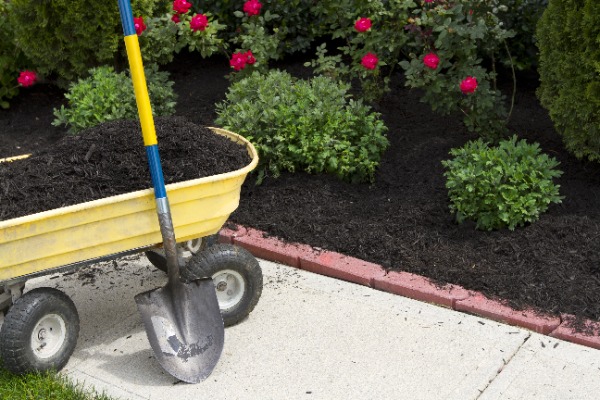
Mulch changes those conditions by covering the soil with a protective layer. Depending on the type and depth of mulch used, it can prevent sunlight from reaching weed seeds and create a physical obstacle that makes it harder for seedlings to emerge.
A good mulch layer can help:
The amount of mulch you install matters. A layer that is too thin may not provide enough coverage to suppress weeds effectively, while an excessively deep layer can create problems for plants and soil.
For many landscape beds, a few inches of mulch provides a useful balance between weed suppression and healthy soil conditions. The exact depth can depend on the material, the landscape design, and what is growing in the bed.
When installing mulch, aim for:
One of the biggest advantages of mulch is that it can make weed management easier even when some weeds manage to emerge.
Weeds that grow through a mulch layer are often easier to spot and remove than weeds growing in dense vegetation or hard-packed soil. Pulling young weeds before they mature also prevents them from producing additional seeds.
Mulch therefore works as part of a broader weed management strategy rather than acting as a standalone solution.
Unmulched landscape beds can become much more difficult to maintain. Once the soil is exposed, wind can carry weed seeds into the area, birds and animals can introduce additional seeds, and existing weeds can quickly take advantage of available space. Bare soil also tends to make every new weed more noticeable and easier to establish.
Adding mulch creates a more consistent surface that reduces the amount of open ground available to unwanted plants. It can be particularly helpful around shrubs, trees, perennials, and other established landscape plants.
Not every mulch material behaves exactly the same way. Organic options such as shredded wood, bark, and other natural materials can gradually break down and contribute organic matter to the soil, while some inorganic materials provide longer-lasting ground coverage.
Regardless of the material, proper installation and adequate coverage are important if weed suppression is one of the primary goals. The right choice depends on the landscape and the goals of the property owner.
Common mulch options include:
It can. By preventing many weed seeds from successfully establishing, mulch can reduce the overall number of weeds that require treatment.
That doesn't mean herbicides will never be necessary. Certain aggressive weeds may grow through mulch, while perennial weeds with established root systems can be difficult to control with mulch alone. Still, reducing the number of weeds that emerge in the first place can make an overall landscape maintenance program more manageable.
Mulch doesn't last forever. Organic materials gradually decompose, become compacted, and can be displaced by rain, wind, and routine landscape maintenance.
As the mulch layer becomes thinner, more soil becomes exposed and weed pressure can increase. Regularly checking your landscape beds can help you determine when additional mulch is needed.
Instead of automatically adding a thick new layer every year, inspect the existing material first. If enough mulch remains, you may only need to redistribute it or add a small amount to areas that have become thin.
Q: Does mulch completely stop weeds from growing?
A: No. Mulch can significantly reduce weed growth by blocking sunlight and covering exposed soil, but some weeds may still grow through the material or develop from existing roots.
Q: How deep should mulch be to control weeds?
A: A few inches of mulch is commonly used to provide effective soil coverage. The ideal depth depends on the material and the plants in the landscape bed, and mulch should not be piled against tree trunks or plant stems.
Q: Should I remove weeds before putting down mulch?
A: Yes. Removing existing weeds first gives the new mulch a better chance of providing effective long-term suppression. Persistent weeds should also be addressed before the bed is covered.
Q: What type of mulch is best for weed control?
A: Several types can help suppress weeds when installed at an appropriate depth. Shredded wood, bark, and other materials can provide effective coverage, so the best choice often depends on the landscape, appearance, maintenance needs, and budget.
Q: How often should mulch be replaced?
A: It depends on the type of mulch, weather, and how quickly the material decomposes or becomes displaced. Inspect the beds regularly and replenish areas where the mulch layer has become thin rather than automatically replacing everything on a fixed schedule.
Q: Can mulch reduce the need for weed control treatments?
A: Yes. By preventing many weed seeds from receiving enough light and space to establish, mulch can reduce overall weed pressure. However, aggressive or established weeds may still require additional control methods.


Lincoln's highest-rated lawn care company. Serving the Lincoln, NE area for over 10 years.
Your Lawn. Made Easy.