Last Updated:
April 21, 2026
Lawn aeration is one of the most effective ways to improve soil health and help your grass grow more evenly. Aeration allows air, water, and nutrients to move more freely below the soil surface, which is something compacted lawns desperately need.
When it comes time to aerate, many homeowners face a common decision: handle it themselves or hire a professional. While both aeration options aim to achieve the same goal, the process and overall results on your lawn can be very different depending on which route you choose.
Aeration works by relieving soil compaction, which naturally builds up over time from foot traffic, mowing, and weather. Compacted soil restricts root growth and prevents essential nutrients from reaching deeper into the ground.
By removing small plugs of soil or creating openings in the surface, aeration loosens the soil structure and improves circulation underground. This allows roots to expand, strengthens the turf, and helps your lawn better withstand heat, drought, and heavy use.
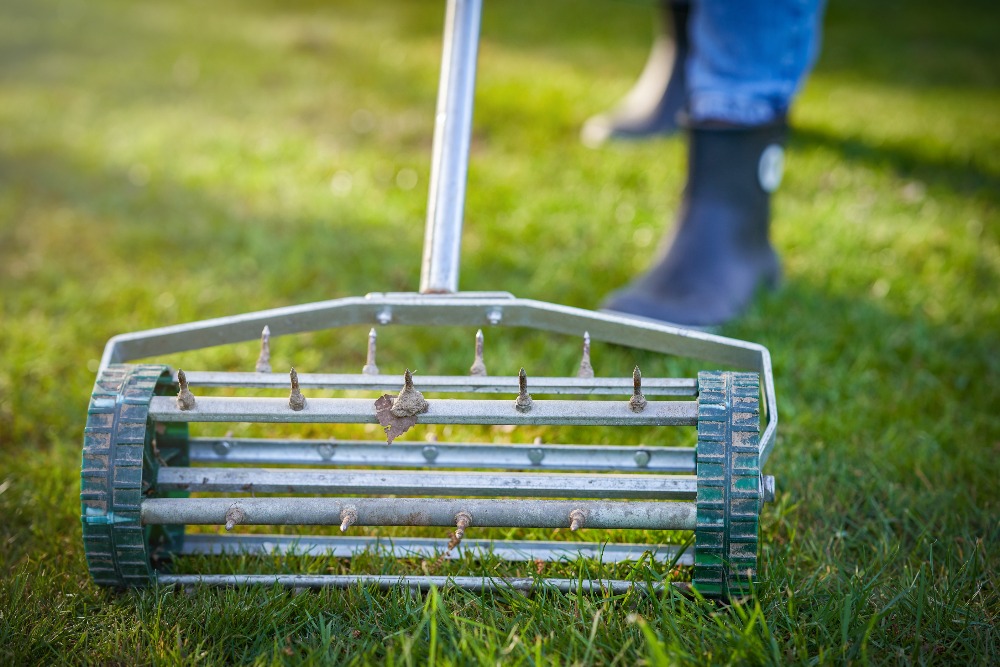
Do-it-yourself aeration typically involves renting equipment or using manual tools to create holes in the lawn. Core aerators, which remove small plugs of soil, are the most effective DIY option, though spike aerators are also commonly used because they’re easier to handle.
While DIY aeration can be successful, it often requires a significant time investment and some trial and error. Equipment can be heavy and difficult to maneuver, especially for larger yards or uneven terrain. Achieving consistent coverage can also be challenging without experience.
For homeowners who prefer hands-on lawn care, DIY aeration offers a level of control and flexibility. You can choose when to aerate and work at your own pace without scheduling around a service provider.
Benefits of DIY aeration include:
Despite its appeal, DIY aeration has some clear drawbacks. The biggest challenge is achieving the same level of effectiveness as professional equipment and expertise.
Many rental machines are less powerful than commercial-grade aerators, which can result in shallow holes or incomplete soil removal. Spike aerators, in particular, can actually increase compaction by pushing soil aside instead of removing it.
Other limitations include:
Professional aeration services use high-powered, commercial equipment designed to remove consistent, deep soil cores across the entire lawn. These machines are more efficient and effective than most rental options, allowing for thorough coverage in a fraction of the time.
In addition to equipment, professionals bring experience. They understand how to adjust aeration patterns based on soil conditions, grass type, and the level of compaction. This ensures the process delivers maximum benefit without causing unnecessary stress to the lawn.
Hiring a professional service often leads to more noticeable and longer-lasting results. The combination of proper equipment and expertise helps ensure the lawn receives the full benefit of aeration.
Benefits of professional aeration include:
DIY aeration can be a reasonable option in certain situations. Lawns with light soil compaction or smaller areas to cover may not require the power and precision of professional equipment.
If your lawn is relatively healthy and you’re maintaining it regularly, occasional DIY aeration can help keep soil conditions in check. However, it’s important to use the right tools and techniques to avoid doing more harm than good.
For lawns dealing with heavy compaction, thinning grass, or persistent drainage issues, professional aeration is typically the better choice. These conditions require deeper and more consistent soil penetration than most DIY methods can provide.
Professional services are also ideal for larger properties or homeowners who want reliable results without the time and effort involved in doing it themselves. In many cases, the improved outcomes justify the additional cost.
The decision between DIY and professional aeration ultimately depends on your lawn’s condition, your budget, and how much time and effort you’re willing to invest. Both approaches can improve your lawn, but the level of impact will vary.
If you’re looking for convenience and maximum effectiveness, professional aeration is usually the better option. If you prefer a hands-on approach and your lawn has minimal issues, DIY aeration may be sufficient with the right tools and technique.
Q: Is DIY aeration as effective as professional aeration?
A: It can provide some benefits, but professional aeration typically delivers deeper and more consistent results.
Q: Are spike aerators a good alternative?
A: Not usually. Spike aerators can increase compaction by pushing soil aside instead of removing it.
Q: How often should a lawn be aerated?
A: Most lawns benefit from aeration once a year, though heavily compacted lawns may need it more often.
Q: Is renting an aerator worth it?
A: It can be for smaller lawns, but rental equipment often lacks the power of professional machines.
Q: Does professional aeration take a long time?
A: No. Most services can complete the job quickly, even on larger properties.
Q: Will aeration immediately improve my lawn?
A: You may notice some improvement quickly, but the biggest benefits develop over time as roots grow stronger.

Lincoln's highest-rated lawn care company. Serving the Lincoln, NE area for over 10 years.
Your Lawn. Made Easy.